
Guide to Staying Safe During Summer Heat
Why Extreme Heat Matters for Seniors
Summer heat is becoming more than an inconvenience. Across the United States and around the world, communities are experiencing longer, more frequent, and more intense periods of extreme heat.
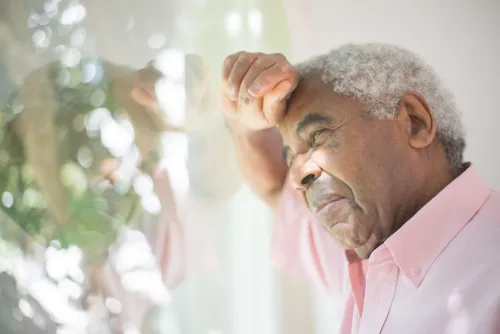
For older adults living independently, rising temperatures create new challenges. My mother has gone through several severe hot summers in her home and each year it becomes worse with the heat and her ability to cope with heat.
Heat is not simply uncomfortable — it can become a serious health and safety concern, especially for people managing chronic health conditions, taking certain medications, or living alone. The body becomes lethargic in heat and physical activity becomes limited.
As we rethink what it means to age successfully at home, climate resilience is becoming an essential part of aging in place. A safe home is not only one that prevents falls or supports mobility; it is also one that helps older adults remain healthy and comfortable as environmental conditions change.
💡Important Fact
According to the Centers for Disease Control and Prevention (CDC), older adults are among the populations at greatest risk during extreme heat events. Heat-related illnesses can develop quickly and may become life-threatening if symptoms are ignored.
Why Older Adults Are More Vulnerable to Extreme Heat
The human body becomes less efficient at regulating temperature as we age. Older adults may not recognize when they are becoming overheated, and the natural sensation of thirst can decrease, increasing the risk of dehydration.
Certain health conditions and medications can also make it more difficult to tolerate high temperatures. Medications commonly used for blood pressure, heart conditions, allergies, and other chronic conditions may affect hydration, sweating, or the body's ability to cool itself.
Recognizing the Warning Signs of Heat-Related Illness
Older adults and caregivers should be aware of early signs that the body is struggling in the heat.
When extreme heat arrives, paying attention to early warning signs can prevent a dangerous situation from escalating.
Symptoms of Heat Exhaustion
- Heavy sweating
- Weakness or fatigue
- Dizziness or lightheadedness
- Nausea
- Headache
- Muscle cramps
Symptoms of Heat Stroke
-
- Confusion or unusual behavior
- Loss of consciousness
- Rapid pulse
- Extremely high body temperature
- Hot, dry skin
Summer Heat Safety Checklist
Staying Hydrated During Hot Weather
Hydration is one of the simplest and most important ways to protect against heat-related illness.
Older adults should make a habit of drinking fluids regularly throughout the day rather than waiting until they feel thirsty. The body’s thirst signals may become weaker with age, so relying only on thirst can lead to dehydration.
Helpful habits include:
-
- Keeping water easily accessible throughout the home
- Carrying a reusable water bottle as a reminder to drink regularly
- Including water-rich foods such as watermelon, cucumbers, berries, and oranges
- Choosing water or electrolyte beverages during periods of extreme heat
- Limiting excessive caffeine and alcohol, which can contribute to dehydration
Family members and caregivers can also help by creating simple hydration routines and checking in during heat waves.
Protecting Yourself Outdoors
Summer activities are important for physical and emotional well-being, but timing and preparation matter during extreme heat.
Older adults should consider:
-
- Planning outdoor activities during cooler parts of the day, such as early morning or evening
- Wearing lightweight, loose-fitting, breathable clothing
- Using sunscreen and wearing protective hats and sunglasses
- Taking frequent breaks in shaded or air-conditioned areas
- Avoiding strenuous activity during peak heat hours
Whenever possible, using a buddy system can provide an additional layer of safety. A companion can recognize signs of heat stress that someone may not notice themselves.
Medication and Heat Safety
Many older adults take medications that are essential for managing their health. However, some medications can increase sensitivity to heat or affect hydration.
During summer months, it is important to:
-
- Review medications with a healthcare provider or pharmacist
- Understand whether any medications increase heat sensitivity
- Store medications according to manufacturer instructions
- Keep medications away from excessive heat and direct sunlight
A medication review is especially important before periods of extreme heat.
Staying Connected During Heat Waves
Extreme heat can become more dangerous when older adults are isolated.
A simple check-in plan can make a significant difference:
-
- Ask family members, neighbors, or friends to check in during heat advisories
- Know where local cooling centers are located
- Keep emergency contact information easily accessible
- Have a plan for transportation if a cooler location is needed
For older adults living alone, staying connected is an important part of staying safe.
Preparing Your Home for Extreme Heat
Personal habits are only one part of heat safety. The home environment plays an equally important role.
During periods of extreme heat:
-
- Close blinds or curtains during the hottest parts of the day
- Avoid using ovens or stoves when possible
- Keep air circulation moving when appropriate
- Spend time in cooler locations if the home becomes too warm
However, it is important to understand that fans alone may not prevent heat-related illness when indoor temperatures become dangerously high. Cooling strategies need to match the severity of the heat and the needs of the individual.
Alternative Cooling Solutions
For seniors who do not have central air conditioning, live in homes without ductwork, or need affordable alternatives to traditional HVAC systems, there are additional cooling options available.
Explore product reviews for Cooling Solutions for Aging in Place without Central Air Conditioning.